
Family stories
Family stories
The stories behind the names
A family history is more than a list of names. Read about ancestral homes, leadership, journeys and the changes that shaped each generation. Historical books begin the story; family memories, photographs and carefully sourced contributions help bring it closer to the present.
Explore this page ↓
Explore memories of ancestral homes, migration and life today. Published stories are submitted by families and reviewed by the site administrator.
Stories behind the family names
Read approved historical summaries and family memories. Source chapters and the complete account are linked from each story.
Approved family history
Pandit Shankar Nath
Shankar Nath’s family is traced from Kashmir through Delhi and service with the Gwalior administration. Hari Ram was invited to Lahore and worked in royal clerical and treasury offices. Shankar Nath followed him into service and later worked in the central records establishment, retaining important responsibilities during the British residency period.
Read the history & source chapters →Approved family history
Panjwar — the Bhangi ruling family
This historical branch follows Hari Singh’s family through the Bhangi leadership to Gurdit Singh and the Panjwar estate. It complements the Gujar and Lehna branches already in the archive. Help extend its history with documented family records.
Read the history & source chapters →Approved family history
Parkhali — the Sandhu chief family
The Parkhali account traces a Sandhu chiefly family from Prem Singh’s settlement in the Ambala region to his grandson Kharak and the later Sheonarayan and Surat branch. Documentary contributions can help fill the missing generation.
Read the history & source chapters →Approved family history
Partab Singh Sadhu Gurayahwala
The Sadhu Gurayahwala account follows a family of cavalry officers serving the Sukarchakia chiefs. Kahn Singh held a service grant under Ranjit Singh, and Partab Singh entered employment through his maternal uncle, General Mian Singh. The chapter records his commands and the replacement of his service estate with a pension after annexation.
Read the history & source chapters →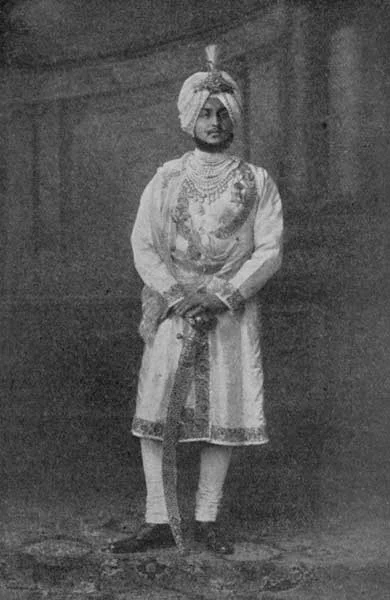 Maharaja Bhupinder Singh of Patiala
Approved family history
Patiala royal family
The Patiala house belongs to the Phulkian grouping, sharing the ancestor Phul with Nabha and Jind. Ala Singh developed a principality in Malwa and founded Qila Mubarak in 1763. The pedigree follows his grandson Amar Singh and the later Patiala rulers through Bhupinder Singh. Its eastern Punjab setting explains why this family needs a separate collection from the original Lahore and Rawalpindi volume.
Read the history & source chapters →Approved family history
Phillaur — the Kang chiefs
Phillaur’s estate history includes the Kang chiefs and a recorded adoption. This tree distinguishes adopted relationships and keeps the historical estate separate from present-day residence.
Read the history & source chapters →Approved family history
Rai Kishan Chand
The Rai Kishan Chand chapter introduces the Chamyari Patni branch of the Bhandari family through a tradition about Rai Bhag Mal and Baba Farid. The story explains the names of the Patni, Bhoria and Birpalia branches. It is presented here as a remembered religious origin narrative rather than evidence for a literal ancient pedigree.
Read the history & source chapters →Approved family history
Raja Ali Bahadar Khan, Chib
The Chib account connects Raja Ali Bahadar Khan’s house with Bhimbar and Naushera. Sultan Khan supplied forces for Ranjit Singh’s Kashmir campaign. The chapter then follows conflict with the Jammu rulers, changes in control of the chiefship and arrangements made for the family after Jammu and Kashmir passed to Gulab Singh.
Read the history & source chapters →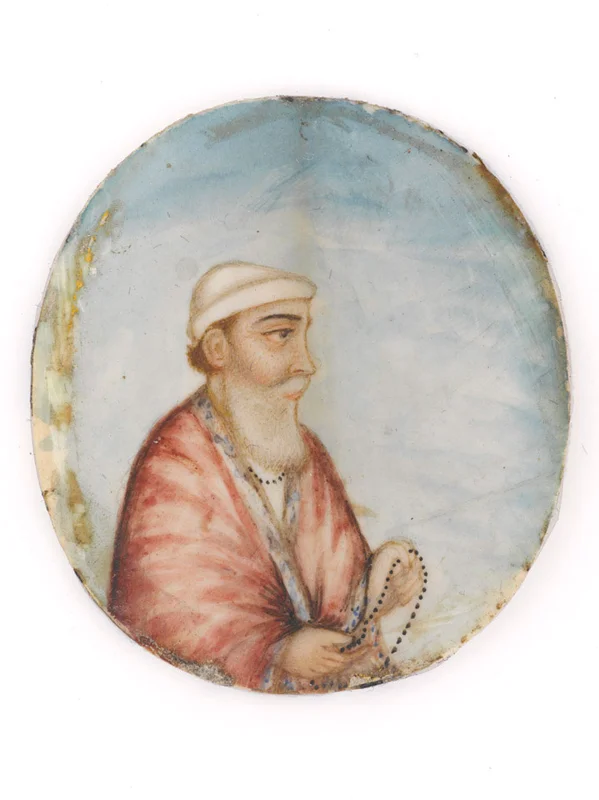 Raja Dina Nath · c.1845
Approved family history
Raja Dina Nath
The Dina Nath chapter presents a leading financial and political official who retained influence through the upheavals of the late Sikh state. It emphasises his administrative knowledge and capacity for work while offering a strongly opinionated judgement of his conduct. This summary identifies his role without treating the author’s personal accusations as established fact.
Read the history & source chapters →Approved family history
Raja Indar Deo of Akhrota
The book places the Akhrota house within the Jamuwal family of Jammu. It identifies Jit Singh, Indar Deo’s grandfather, as a former ruler and describes the rival branches and succession disputes that brought the family into contact with the Kanhya and Sukarchakia chiefs. Its much earlier origin story is a family tradition, rather than a verified chain of descent.
Read the history & source chapters →Approved family history
Raja Karamdad Khan, Gakhar
The Gakhar chapter describes a powerful confederation of related branches whose chiefs could unite against outside rivals despite internal disputes. It opens with traditions of remote ancestry and migration before turning to the family’s regional history. The recent pedigree of Karamdad Khan is kept separate from those much earlier narratives.
Read the history & source chapters →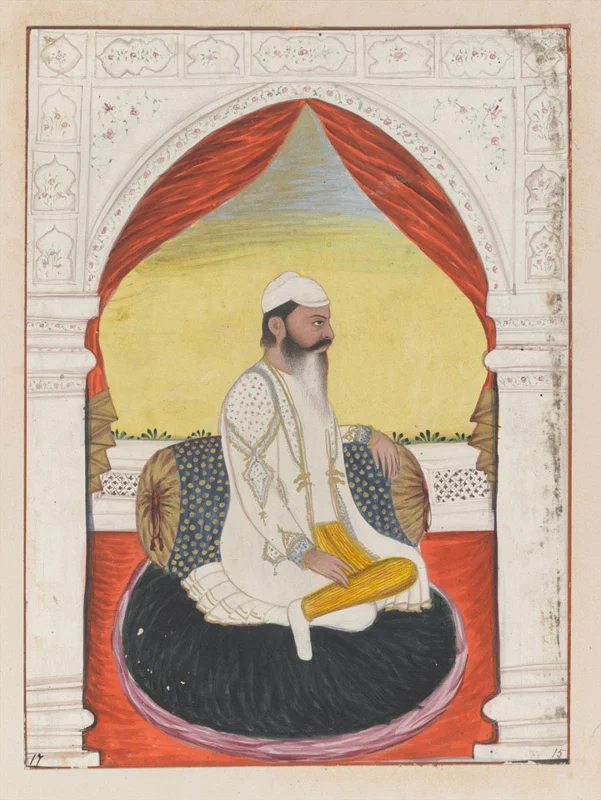 Raja Sahib Dyal · c.1865
Approved family history
Raja Sahib Dyal
Raja Sahib Dyal’s family is described as having served the Delhi emperors before moving to Lahore. Chhaju Mal later joined Jai Singh Kanhya, participating in campaigns and receiving responsibilities in Amritsar. The narrative traces the family’s transition from Mughal employment into the world of the Sikh chiefs.
Read the history & source chapters →For descendants, wherever life has taken you
Your family remembers what the books could not.
A missing name may be someone your grandparents remembered. An old photograph may be the only face a future generation ever sees. What feels ordinary to your family today can become a treasured part of tomorrow’s history.
Add a missing generation
Connect a parent, grandparent or branch you know.
Give a name a face
Share a family photograph, with permission and any known date.
Tell what happened next
Remember an ancestral home, school, journey or family tradition.
Start with one detail. You can return and add more. Include a source where possible, or clearly identify an oral memory. Submissions are reviewed before publication; living people’s details are shared only with their consent.
Help carry our story forward ↗