
Family stories
Family stories
The stories behind the names
A family history is more than a list of names. Read about ancestral homes, leadership, journeys and the changes that shaped each generation. Historical books begin the story; family memories, photographs and carefully sourced contributions help bring it closer to the present.
Explore this page ↓
Explore memories of ancestral homes, migration and life today. Published stories are submitted by families and reviewed by the site administrator.
Stories behind the family names
Read approved historical summaries and family memories. Source chapters and the complete account are linked from each story.
Approved family history
Sirdar Lal Singh, Kalianwalia
The Kalianwala chapter explicitly distinguishes Lal Singh’s family from the earlier house of Fateh Singh. It first follows the earlier chiefs’ Sukarchakia connections and Fateh Singh’s rise under Ranjit Singh. His military and diplomatic services form the background to the estates and honours later associated with the Kalianwala name.
Read the history & source chapters →Approved family history
Sirdar Mangal Singh, Ramgharia
The Ramgarhia chapter describes the confederacy’s development under earlier leaders and its growing strength under Jassa Singh. It connects his family with Sarsang and Ichhogil and recounts the careers of Bhagwan Singh’s sons. The family’s religious affiliation and military service form the setting for its later prominence.
Read the history & source chapters →Approved family history
Sirdar Mehtab Singh, Majithia
Mehtab Singh’s Majithia branch is traced through Manna Singh, who served Charat Singh and Mahan Singh and later fought for Ranjit Singh. His descendants continued military service in campaigns including Kashmir and Peshawar. The chapter describes grants received for service and the family’s place among the separate Majithia branches.
Read the history & source chapters →Approved family history
Sirdar Nar Singh Aimawala
The Aimawala account links the family with the rebuilding of Aimah and with grants in the Daska, Pasrur and Ajnala areas. Sujan Singh belonged to the Bhangi association. His son Nar Singh initially supported its chiefs against Ranjit Singh but subsequently joined the Maharaja and served in several campaigns.
Read the history & source chapters →Approved family history
Sirdar Sadho Singh, Padhania
The Padhania chapter introduces a Sindhu family associated with Padhana, south-east of Lahore. It discusses competing traditions about migration and then identifies Changa as the headman connected with the village’s foundation. These accounts provide the setting for the later chiefs but do not establish an independently verified ancient pedigree.
Read the history & source chapters →Approved family history
Sirdar Sardul Singh, Man
The Mananwala branch is presented as related to the Man chiefs of Moghalchak. Tara Singh moved after the destruction of Mananwala, while Karam Singh later rebuilt the village and acquired estates through the Bhangi confederacy. His sons subsequently transferred their allegiance to Mahan Singh Sukarchakia.
Read the history & source chapters →Approved family history
Sirdar Sarup Singh, Malwai
The Malwai family is traced to a Man household from the Nabha region. Mal Singh entered Charat Singh’s service, and Dhanna Singh later served Fateh Singh Kalianwala before joining Ranjit Singh. The chapter recounts Dhanna Singh’s campaigns, diplomatic duties and grants, linking the family’s rise to sustained military employment.
Read the history & source chapters →Approved family history
Sirdar Shamsher Singh Sindhianwala
The Sindhanwalia chapter presents this house as one of the leading Sikh families between the Beas and Indus. It connects its influence at Lahore with a close relationship to Ranjit Singh and with the estates and appointments acquired by its chiefs. The opening also recounts origin traditions, which should be distinguished from recent recorded genealogy.
Read the history & source chapters →Approved family history
Sirdar Surjan Singh Mokal
The Mokal family is described as having risen through military service during Ranjit Singh’s reign. Several relatives first served a neighbouring chief before moving to Lahore. Their conduct in the fighting near Attock brought grants and recognition, linking the family’s estates with the careers of Jawan Singh and his cousins.
Read the history & source chapters →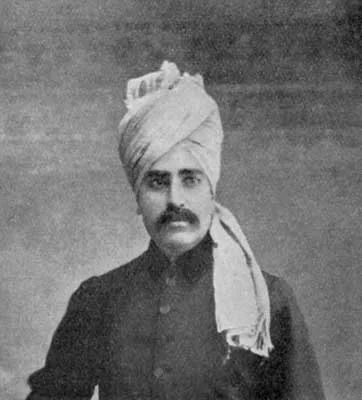 Raja Surendra Bikram Prakash of Sirmaur
Approved family history
Sirmaur (Sirmur) royal family
Sirmaur’s ruling family is associated with Nahan and the eastern hill region. The government pedigree makes Jagat, Dharam and Karam Prakash sons of Kirat Prakash, and follows Karam’s branch through Fateh, Raghbir, Shamsher, Surendra and Amar Prakash. The district history describes alliances, conflict and the recovery of the state after the Gorkha occupation.
Read the history & source chapters →Approved family history
Sodhi Sher Singh of Haranpur
The Haranpur Sodhi colony is associated with Baba Kiun Shah’s move from Her in 1751 and with religious grants from local chiefs. Ram Singh later entered Ranjit Singh’s army and died at Naraingarh. Megh Singh and subsequent generations continued military service while holding portions of the family’s grants.
Read the history & source chapters →Approved family history
Suket Sen royal family
Suket is a separate Sen ruling house within the Punjab hill-state setting, associated today with Sundernagar. The chart begins this segment with Bhikham Sen and follows Ranjit, Bikram, Ugar and Rudar Sen to the Dusht Nikandan branch. It keeps Bhim and Lakshman Sen under their recorded parent rather than joining them merely because one followed the other as ruler.
Read the history & source chapters →For descendants, wherever life has taken you
Your family remembers what the books could not.
A missing name may be someone your grandparents remembered. An old photograph may be the only face a future generation ever sees. What feels ordinary to your family today can become a treasured part of tomorrow’s history.
Add a missing generation
Connect a parent, grandparent or branch you know.
Give a name a face
Share a family photograph, with permission and any known date.
Tell what happened next
Remember an ancestral home, school, journey or family tradition.
Start with one detail. You can return and add more. Include a source where possible, or clearly identify an oral memory. Submissions are reviewed before publication; living people’s details are shared only with their consent.
Help carry our story forward ↗