
Family trees
Family trees
Who were Punjab’s chiefs?
Punjab’s chiefs included rulers, military leaders and heads of estates. Their families belonged to different houses and communities across the plains and hill states of historical Punjab. Follow the recorded generations, discover a familiar name and help fill the gaps in your family’s story.
Explore this page ↓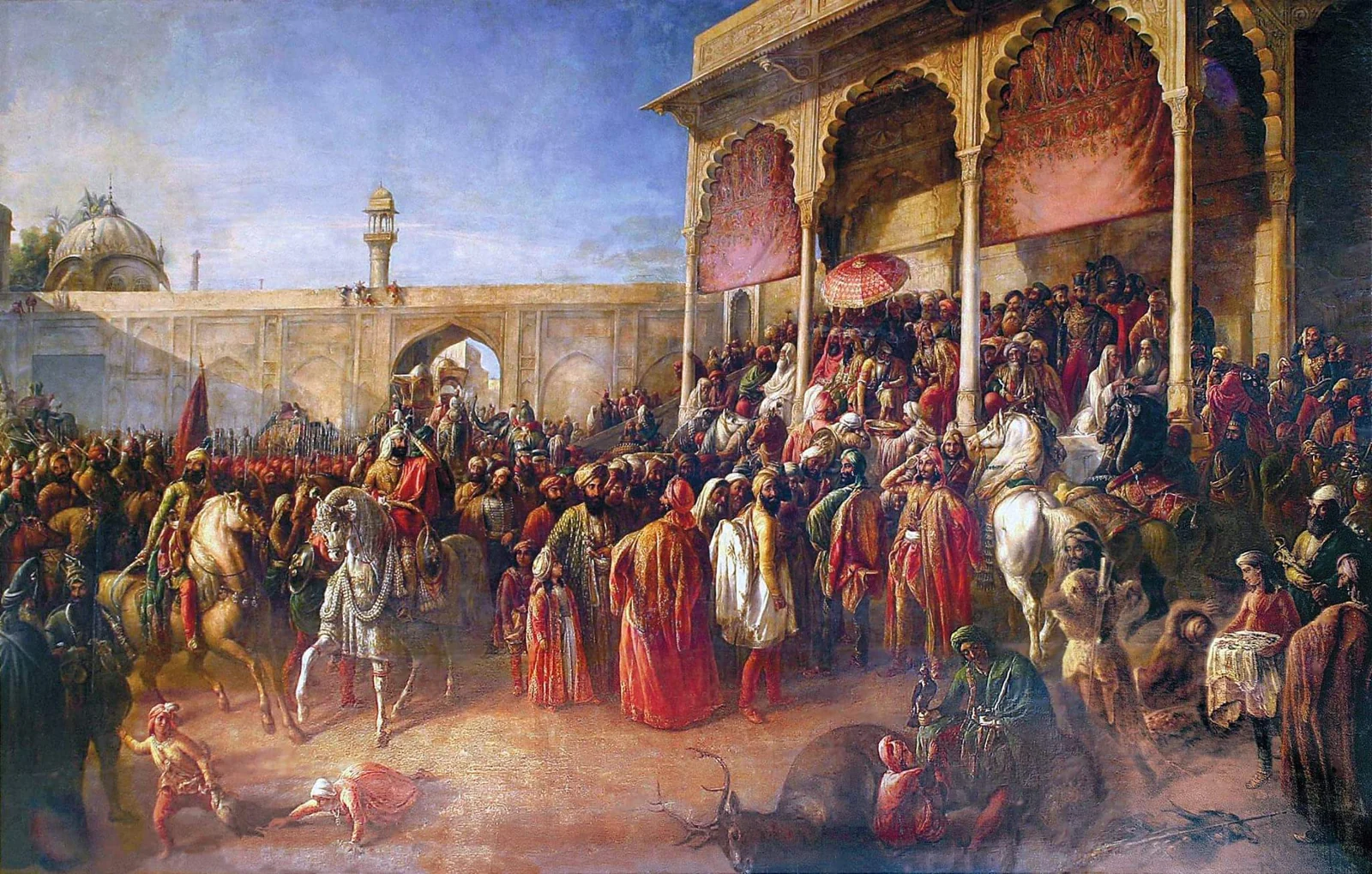
Find your place in the archive
Explore a shared inheritance
Search by family, chief or place, or explore a regional collection. These histories span the plains and hill states of historical Punjab.
Patiala & Phulkian houses
Badrukhan — the Phulkian chiefly branch
Badrukhan · Historical Punjab
Badrukhan represents a collateral branch of Jind through Bhup Singh. This historical tree follows the Karam and Basawa branches; it distinguishes kinship from later succession to Jind.
8 public profiles · Reviewed family archive
Explore family →Patiala & Phulkian houses
Bakshiwala — the Harika family of Sekha
Bakshiwala · Historical Punjab
The Harika house’s recorded Sekha branch leads to Basawa Singh, associated with Patiala service and Bakshiwala. A later branch includes Colonel Bhagwan Singh and Captain Harcharan Singh. Modern descendants are reserved for…
12 public profiles · Reviewed family archive
Explore family →Patiala & Phulkian houses
Bhadaur Phulkian family
Bhadaur, historical Ludhiana district, Punjab · Patiala & Phulkian houses
Bhadaur is a collateral Phulkian family: Phul, Rama and Duna form its early recorded stem. The government pedigree branches through Bigha Singh into several houses and includes the line of the scholar…
19 public profiles · Reviewed family archive
Explore family →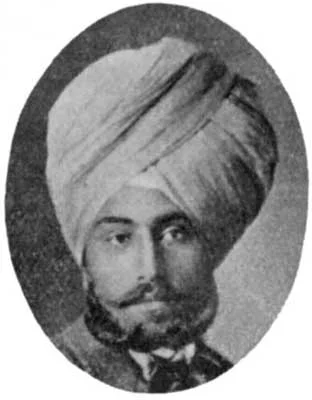 Maharaja Ranbir Singh of Jind
Patiala & Phulkian houses
Jind royal family
Jind, Sangrur and the historical Jind State · Patiala & Phulkian houses
Jind is a Phulkian house descending in the published pedigree from Phul through Tiloka and Sukhchain. The chart includes Gajpat Singh, Bhag Singh and Fateh Singh, and a collateral branch through Bhup…
23 public profiles · Reviewed family archive
Explore family →Patiala & Phulkian houses
Malaudh Phulkian family
Malaudh (Maloud), historical Ludhiana district, Punjab · Patiala & Phulkian houses
The Malaudh family is a Phulkian branch associated with the Ludhiana region. The pedigree distinguishes Bakht Mal, a son of Rama, from other similarly named members of the broader Phul family. It…
18 public profiles · Reviewed family archive
Explore family →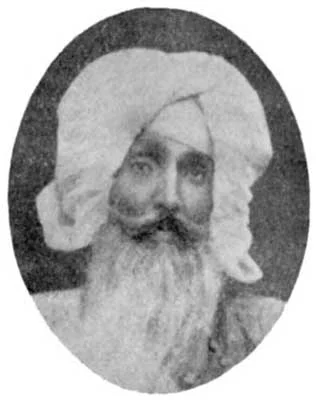 Maharaja Hira Singh of Nabha
Patiala & Phulkian houses
Nabha royal family
Nabha, Punjab · Patiala & Phulkian houses
Nabha shares Phulkian ancestry with Patiala and Jind. The pedigree traces Hamir Singh and Jaswant Singh through Gurditta and Suratiya. A separate collateral branch from Sukhchain leads through Basawa and Sukha Singh…
21 public profiles · Reviewed family archive
Explore family →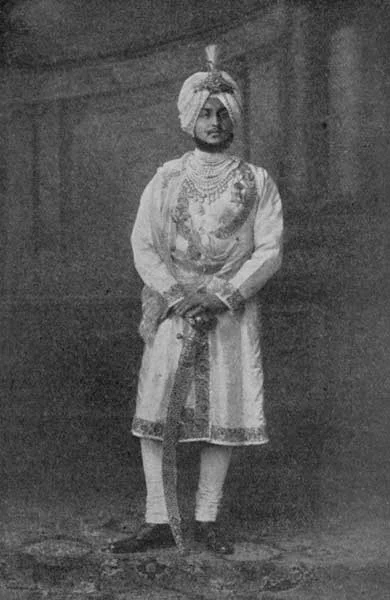 Maharaja Bhupinder Singh of Patiala
Patiala & Phulkian houses
Patiala royal family
Patiala, Malwa, Punjab · Patiala & Phulkian houses
The Patiala house belongs to the Phulkian grouping, sharing the ancestor Phul with Nabha and Jind. Ala Singh developed a principality in Malwa and founded Qila Mubarak in 1763. The pedigree follows…
18 public profiles · Reviewed family archive
Explore family →For descendants, wherever life has taken you
Your family remembers what the books could not.
A missing name may be someone your grandparents remembered. An old photograph may be the only face a future generation ever sees. What feels ordinary to your family today can become a treasured part of tomorrow’s history.
Add a missing generation
Connect a parent, grandparent or branch you know.
Give a name a face
Share a family photograph, with permission and any known date.
Tell what happened next
Remember an ancestral home, school, journey or family tradition.
Start with one detail. You can return and add more. Include a source where possible, or clearly identify an oral memory. Submissions are reviewed before publication; living people’s details are shared only with their consent.
Help carry our story forward ↗