
Misls & chiefs
Misls & chiefs
What was a misl?
In everyday language, a misl was a group of Sikh fighting forces and their leaders, joined by shared interests and control of territory. These groups became important powers in eighteenth-century Punjab. Ranjit Singh later brought many of their territories into his kingdom. Explore the families, leaders and alliances behind those names.
Explore this page ↓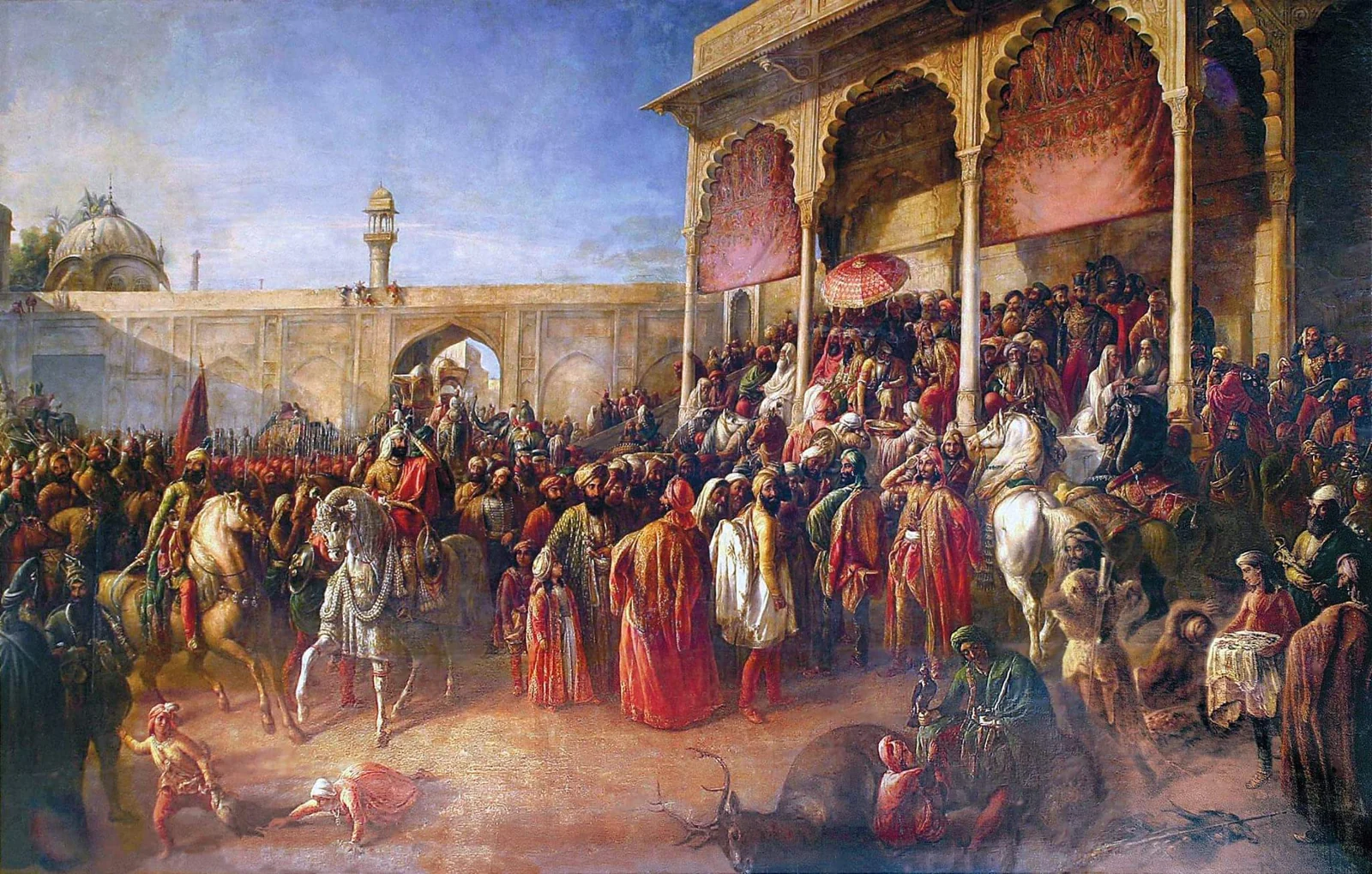
Explore the archive by misl, chief or historical association. A family connection may describe descent, service, alliance or an oral tradition. Sources and uncertainty should be recorded alongside every claim.
Misls & recorded affiliations
Browse families by their recorded affiliation. Clan, hill-state and house labels are retained as supplied; they are not all Sikh misls. An affiliation alone does not establish descent.
Recorded affiliation
Ahluwalia
1 associated family records
Recorded affiliation
Bhangi
6 associated family records
Recorded affiliation
Dallewalia
2 associated family records
Recorded affiliation
Kanhaiya
9 associated family records
Recorded affiliation
Karora Singhia
1 associated family records
Recorded affiliation
Karorsinghia
2 associated family records
Recorded affiliation
Nishanwala
1 associated family records
Recorded affiliation
Nishanwalia
1 associated family records
Recorded affiliation
Phulkian
5 associated family records
Recorded affiliation
Ramgarhia
2 associated family records
Recorded affiliation
Singhpuria
2 associated family records
Recorded affiliation
Sukerchakia
1 associated family records
Named chiefs & houses
Entries with an explicitly supplied chief or house name. The family directory contains the wider collection.
Chief or house
Sardar Chanda Singh
Source-attributed historical branch; succession is not proof of parentage.
View the recorded family connections →Chief or house
Chaudhary Gulab Rai
Source-attributed family account; succession does not establish parentage.
View the recorded family connections →Nishanwalia
Chaudhary Sahib Rai
Source-attributed historical collection. Rulership and succession do not establish parentage.
View the recorded family connections →Chief or house
Bhai Sukha Singh
Source-attributed historical collection. Rulership and succession do not establish parentage.
View the recorded family connections →Chief or house
Raja Gajpat Singh
Source-attributed historical branch; succession is not proof of parentage.
View the recorded family connections →Chief or house
Baghal royal family
View the recorded family connections →Chief or house
Sardar Banda Singh
Source-attributed historical branch; succession and service do not prove descent.
View the recorded family connections →Dallewalia
Sardar Tara Singh Ghaiba
Source-attributed historical branch; succession and service do not prove descent.
View the recorded family connections →Chief or house
Choudhary Dhiral Singh
Historical estate account; service to a royal house is not proof of descent.
View the recorded family connections →Chief or house
Sardar Kharak Singh of Bargari
Historical estate account; service to a royal house is not proof of descent.
View the recorded family connections →Chief or house
Bedi family of Una
View the recorded family connections →Phulkian
Bhadaur Phulkian family
View the recorded family connections →Chief or house
Rana Durga Singh
Massy records five marriages for Durga Singh but supplies no wife names. Those marriages are noted without invented spouse profiles.
View the recorded family connections →Chief or house
Sardar Kehar Singh
Source-attributed historical branch; succession is not proof of parentage.
View the recorded family connections →Chief or house
Sardar Bahadur Bhagwant Singh
Source-attributed historical branch; estate succession does not prove parentage.
View the recorded family connections →Bhangi
Sardar Milkha Singh
Source-attributed historical branch; succession and service do not prove descent.
View the recorded family connections →Chief or house
Bilaspur (Kahlur) royal family
View the recorded family connections →Chief or house
Bushahr (Bashahr) royal family
View the recorded family connections →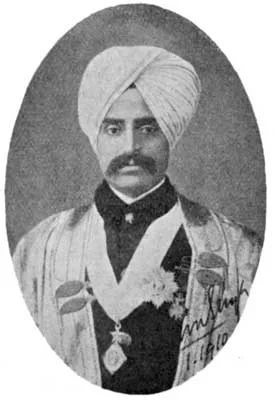 Raja Bhuri Singh of Chamba
Chief or house
Chamba royal family
View the recorded family connections →Chief or house
Majja Singh
Source-attributed historical branch; succession and service do not prove descent.
View the recorded family connections →Chief or house
Sardar Amar Singh of Dabanwala
Source-attributed historical collection. Rulership and succession do not establish parentage.
View the recorded family connections →Chief or house
Thakar Narindar Singh
Narindar Singh’s wife is described as a daughter of the late Thakar Saran Chand of Kanaiti. Her name is not supplied, and the relationship remains a sourced marriage note.
View the recorded family connections →Chief or house
Bhai Umar Shah and Diwan Nand Chand Sangha
Service to the Sikh Gurus before Maharaja Ranjit Singh’s reign; Nand Chand is associated with the Battle of Bhangani, 1688.
View the recorded family connections →Chief or house
Rana Fatah Singh
The chapter’s remote-origin story is retained only as an unverified period tradition; no legendary ancestral links are created.
View the recorded family connections →Chief or house
Sardar Man Singh of Dhandwal
Source-attributed historical collection. Rulership and succession do not establish parentage.
View the recorded family connections →Karora Singhia
Parsa Singh
Source-attributed historical branch; succession and service do not prove descent.
View the recorded family connections →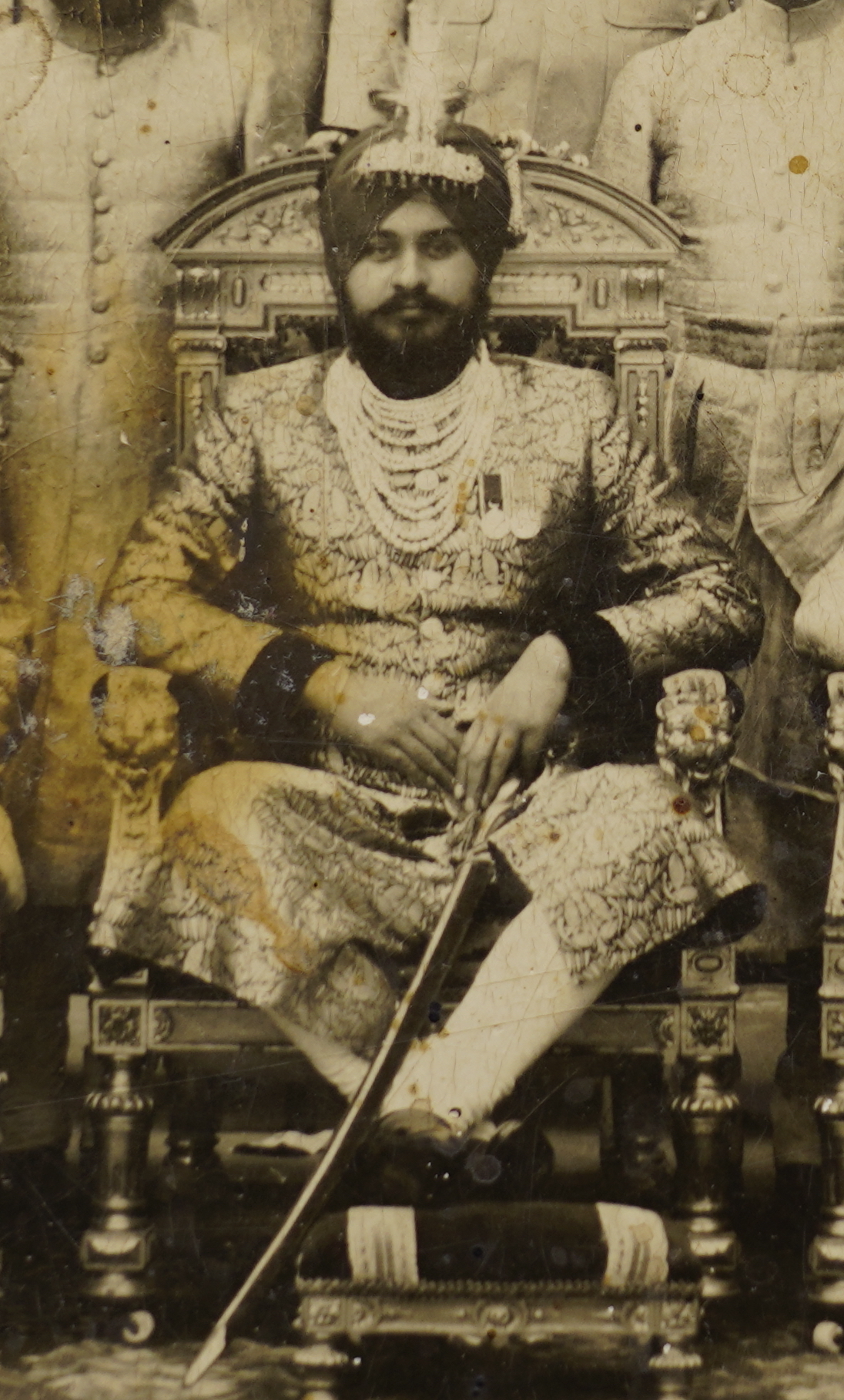 Raja Harinder Singh
Chief or house
Faridkot Brar ruling house
Political interaction with Maharaja Ranjit Singh’s expansion in the Cis-Sutlej region, not descent from him. Faridkot is a Brar house; it is not labelled as a Phulkian misl.
View the recorded family connections →Chief or house
Thakar Kishan Singh
Two infant sons of Kishan Singh are shown without names. The book gives no named school or institution.
View the recorded family connections →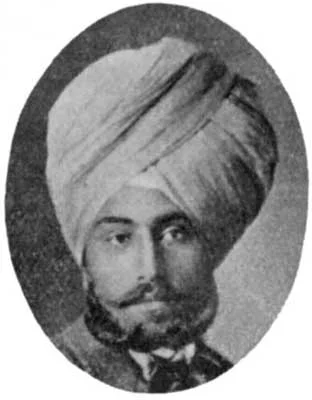 Maharaja Ranbir Singh of Jind
Phulkian
Jind royal family
View the recorded family connections →Chief or house
Bhai Gurbakhsh Singh
Source-attributed historical collection. Rulership and succession do not establish parentage.
View the recorded family connections →Chief or house
Kalsia ruling family
View the recorded family connections →Chief or house
Thakar Lal Chand
A daughter of Saran Chand married Thakar Narindar Singh of Dalthi. Her name is not supplied; this connection is recorded without inventing a name.
View the recorded family connections →Singhpuria
Dyal Singh and the Kandhola chiefs
Source-attributed historical branch; succession and service do not prove descent.
View the recorded family connections →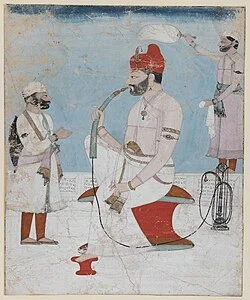 Raja Sansar Chand of Kangra · c.1800–1810
Chief or house
Kangra Katoch family of Lambagraon
View the recorded family connections →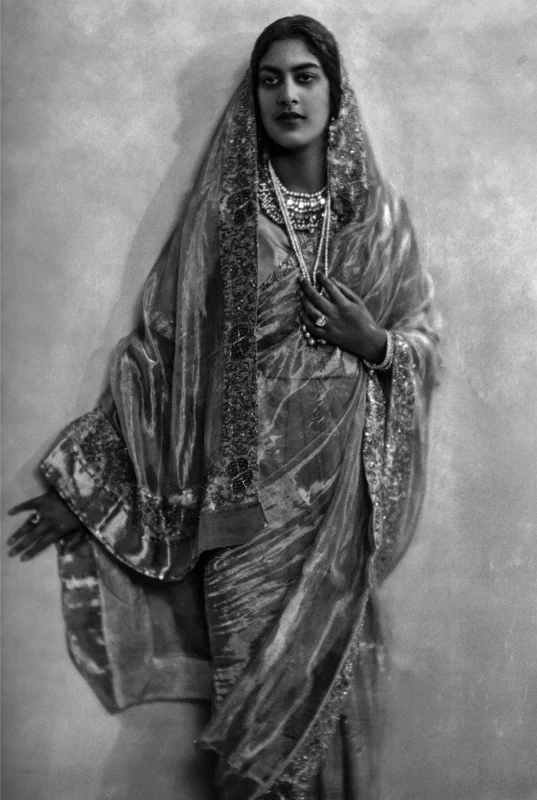 Rani Amrit Kaur of Mandi · Lafayette portrait, 1924
Ahluwalia
Sardar Jassa Singh Ahluwalia
Source-attributed historical collection. Rulership and succession do not establish parentage.
View the recorded family connections →Chief or house
Rana Bishan Chand
Bishan Chand married a daughter of the Rana of Kuthar, printed Kathar here. Her name and the father’s personal name are not stated in the marriage sentence; no person-level link is assumed.
View the recorded family connections →Chief or house
Rana Hira Singh
The book mentions Hira Singh’s sisters marrying the ruler of Bilaspur and his aunt marrying the ruler of Bashahr. Their names and the individual husbands are not supplied, so person-to-person marriage links are not invented.
View the recorded family connections →Chief or house
Rana Jai Chand
The book records an unnamed son of Jai Chand born in 1887, and marriage connections with Kunihar, Dhami, Keonthal and Kotkhai. Individual wives are not named.
View the recorded family connections →Karorsinghia
Raja Gurdit Singh
Source-attributed historical collection. Rulership and succession do not establish parentage.
View the recorded family connections →Chief or house
Thakar Bishan Chand
The chart also records an unnamed son born in 1889 under Bishan Chand; he is noted without assigning an invented personal name.
View the recorded family connections →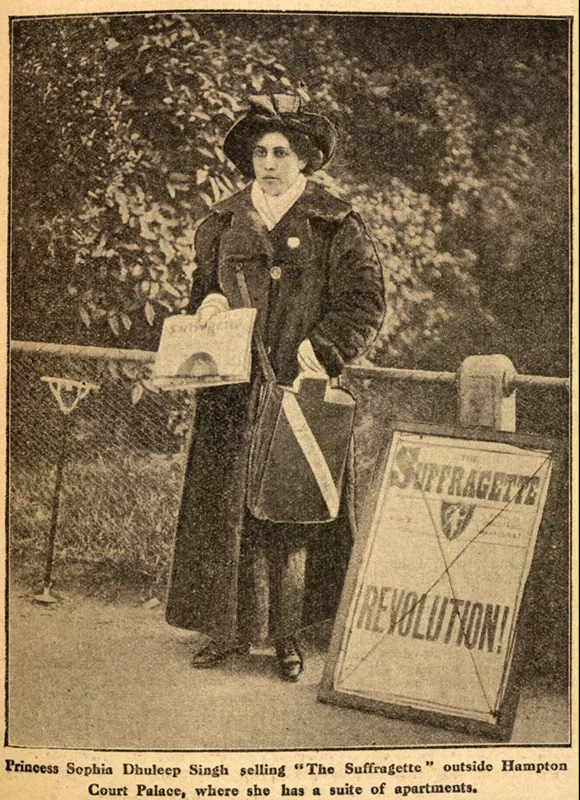 Princess Sophia Duleep Singh · campaigning for women’s suffrage, 1913
Chief or house
Maharaja Ranjit Singh
Royal-family pedigree as represented in Appendix I. This is a separate family record, not a common ancestor for every family in the archive.
View the recorded family connections →Chief or house
Sardar Ramdas Singh
Source-attributed historical collection. Rulership and succession do not establish parentage.
View the recorded family connections →Chief or house
Thakar Raghnath Chand
The chapter records a marriage connection with Mangal but does not name the spouse.
View the recorded family connections →Phulkian
Malaudh Phulkian family
View the recorded family connections →Chief or house
Manauli chief family
View the recorded family connections →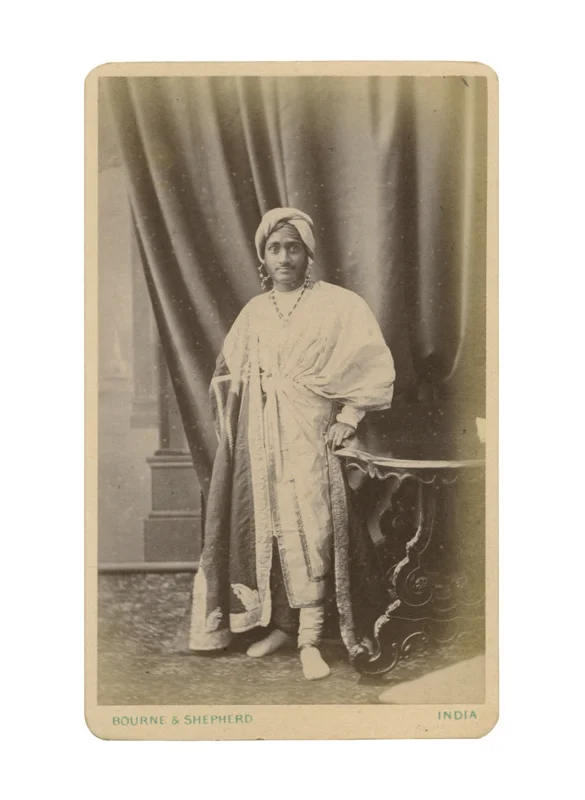 Raja Bijai Sen of Mandi · c.1875
Chief or house
Mandi Sen royal family
View the recorded family connections →Chief or house
Rana Jit Singh
The chapter reports family connections with Bilaspur, Mahlog, Dhami and Baghat without naming all individuals involved.
View the recorded family connections →Chief or house
Gangaram
Source-attributed historical collection. Rulership and succession do not establish parentage.
View the recorded family connections →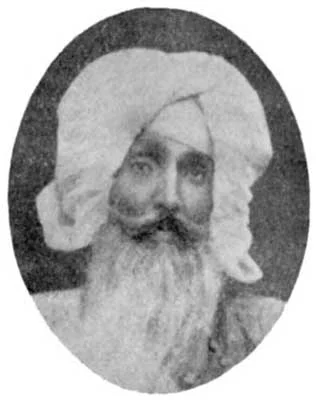 Maharaja Hira Singh of Nabha
Phulkian
Nabha royal family
View the recorded family connections →Chief or house
Nalagarh (Hindur) royal family
View the recorded family connections →Chief or house
Nurpur Pathania chief family
View the recorded family connections →Bhangi
Hari Singh
Source-attributed historical branch; succession and service do not prove descent.
View the recorded family connections →Chief or house
Prem Singh of Parkhali
Source-attributed historical branch; succession and service do not prove descent.
View the recorded family connections →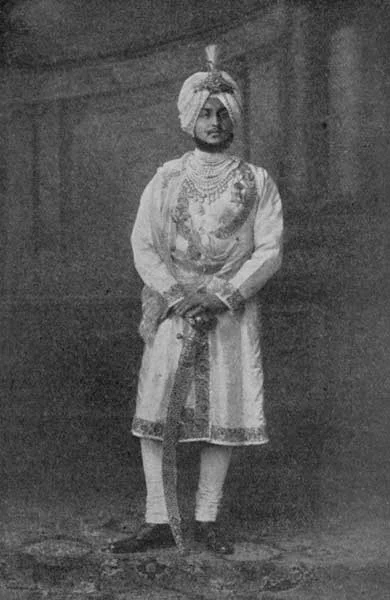 Maharaja Bhupinder Singh of Patiala
Phulkian
Patiala royal family
Patiala interacted with Ranjit Singh’s expanding power and British protection in the Cis-Sutlej region. This is a political connection, not a claim of descent from Ranjit Singh.
View the recorded family connections →Chief or house
Sardar Tara Singh Kakar
Source-attributed historical collection. Rulership and succession do not establish parentage.
View the recorded family connections →Chief or house
Thakar Ram Singh
The book’s account of territorial changes is historical context, not a claim about present ownership.
View the recorded family connections →Dallewalia
Sardar Hari Singh of Rupar
Source-attributed historical collection. Rulership and succession do not establish parentage.
View the recorded family connections →Bhangi
Sahib Singh of Isapuria
Military service during Maharaja Ranjit Singh’s reign; later service under Prince Kharak Singh and Raja Suchet Singh.
View the recorded family connections →Chief or house
Shahabad chief family
View the recorded family connections →Chief or house
Shahid family of Shahzadpur
View the recorded family connections →Singhpuria
Nawab Kapur Singh
Source-attributed historical branch; succession and service do not prove descent.
View the recorded family connections →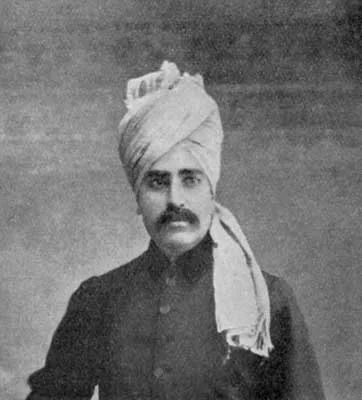 Raja Surendra Bikram Prakash of Sirmaur
Chief or house
Sirmaur (Sirmur) royal family
The district history describes Kirat Prakash’s alliance with Amar Singh of Patiala. This is a political relationship, not descent from Ranjit Singh.
View the recorded family connections →Chief or house
Suket Sen royal family
View the recorded family connections →Karorsinghia
Sardar Mith Singh
Source-attributed historical collection. Rulership and succession do not establish parentage.
View the recorded family connections →Chief or house
Thakar Hari Chand
Hari Chand’s wife was a daughter of the Rana of Balsan. Massy does not name her in this chapter.
View the recorded family connections →For descendants, wherever life has taken you
Your family remembers what the books could not.
A missing name may be someone your grandparents remembered. An old photograph may be the only face a future generation ever sees. What feels ordinary to your family today can become a treasured part of tomorrow’s history.
Add a missing generation
Connect a parent, grandparent or branch you know.
Give a name a face
Share a family photograph, with permission and any known date.
Tell what happened next
Remember an ancestral home, school, journey or family tradition.
Start with one detail. You can return and add more. Include a source where possible, or clearly identify an oral memory. Submissions are reviewed before publication; living people’s details are shared only with their consent.
Help carry our story forward ↗