


Misls & chiefs
Trace affiliations, leadership and connections to the era of Maharaja Ranjit Singh.
Explore misls & chiefs →
An inheritance entrusted to the next generation
Are you a descendant of Punjab’s chiefs? The books recorded an earlier chapter. Your family holds what came next: the names, photographs, journeys and memories that future generations deserve to know.
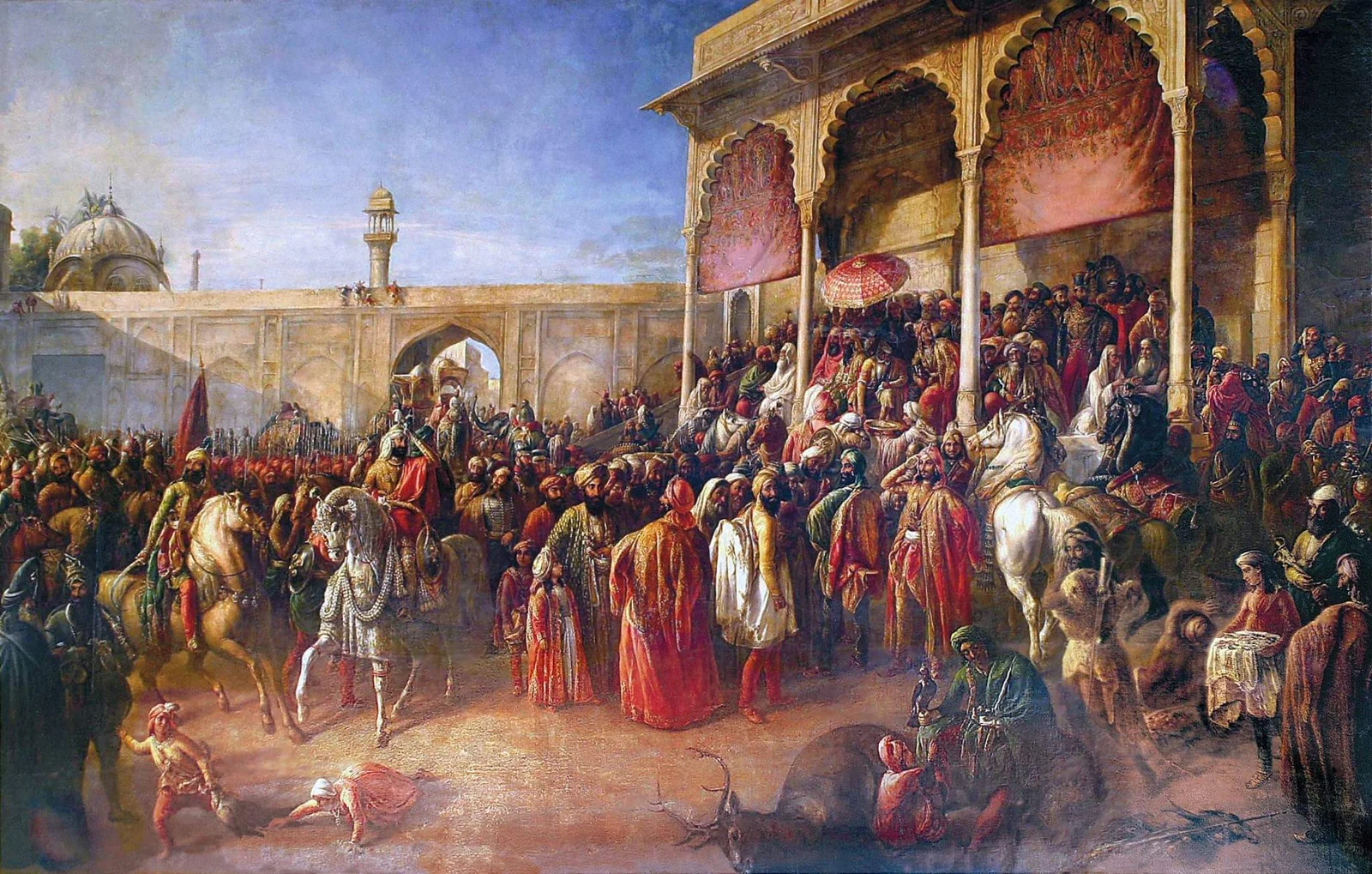
People, leadership & a changing Punjab
Here, “chief” means a historical leader: a ruler, a military commander, or the head of an influential family or estate. It is a broad term used in older accounts of Punjab. Some chiefs held titles such as Raja, Maharaja or Sardar; others led local estates or served in royal courts. Their powers, communities and family histories varied.
During the eighteenth century, as Mughal authority weakened, Sikh groups known as misls became important powers in Punjab. In everyday language, a misl was an association of fighting forces and leaders that controlled territory. Maharaja Ranjit Singh brought many of these territories together, and was proclaimed Maharaja in 1801, with Lahore at the centre of his kingdom. Other ruling houses and hill states retained their own histories and relationships.
British annexation in 1849 ended the Sikh kingdom, while several princely states continued under British paramountcy. Independence and Partition in 1947 changed borders and scattered many families. Old Punjab therefore reaches beyond today’s Punjab boundaries, connecting places now in India and Pakistan, including the plains and neighbouring hill regions.
This website follows those families through ancestry, ancestral homes, schools and personal stories. A historical title introduces a life; the generations that follow tell what happened next. Your family’s photographs, memories and sourced corrections can help preserve that continuing story.
Explore misls and chief families → Read about the Sikh kingdom →
The photographic collection
Meet people from Punjab’s royal and military past.
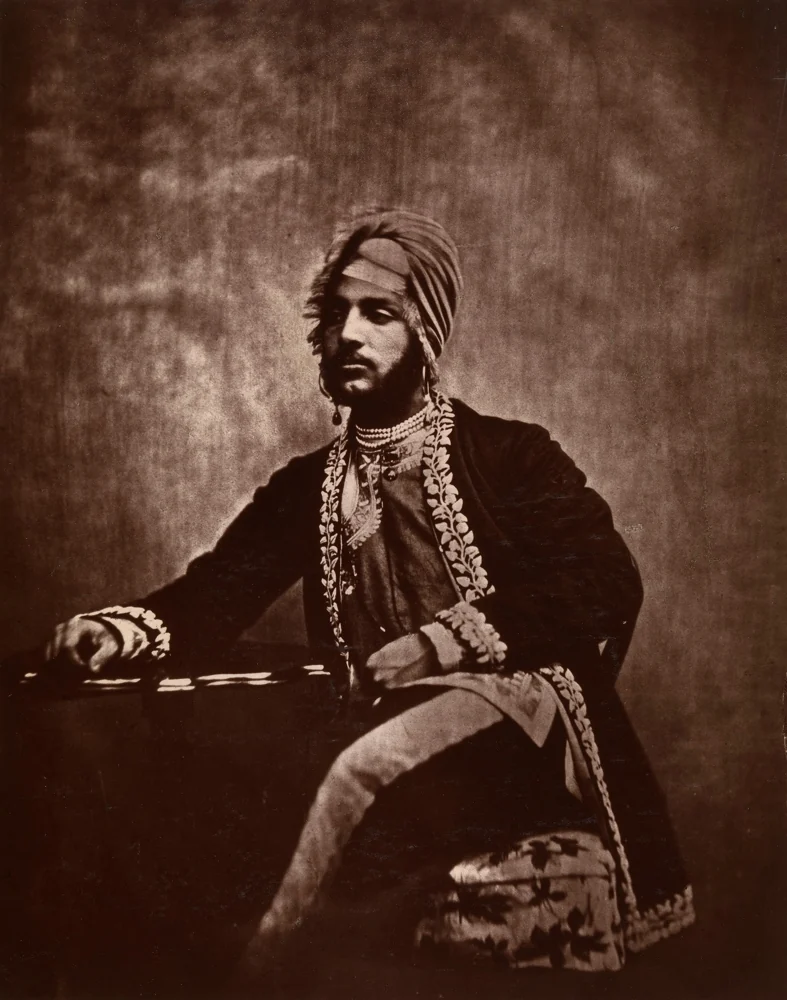
c. 1850s · Historical photograph
A seated portrait of Maharaja Duleep Singh, son of Maharaja Ranjit Singh.
Unknown photographer · Source & image details ↗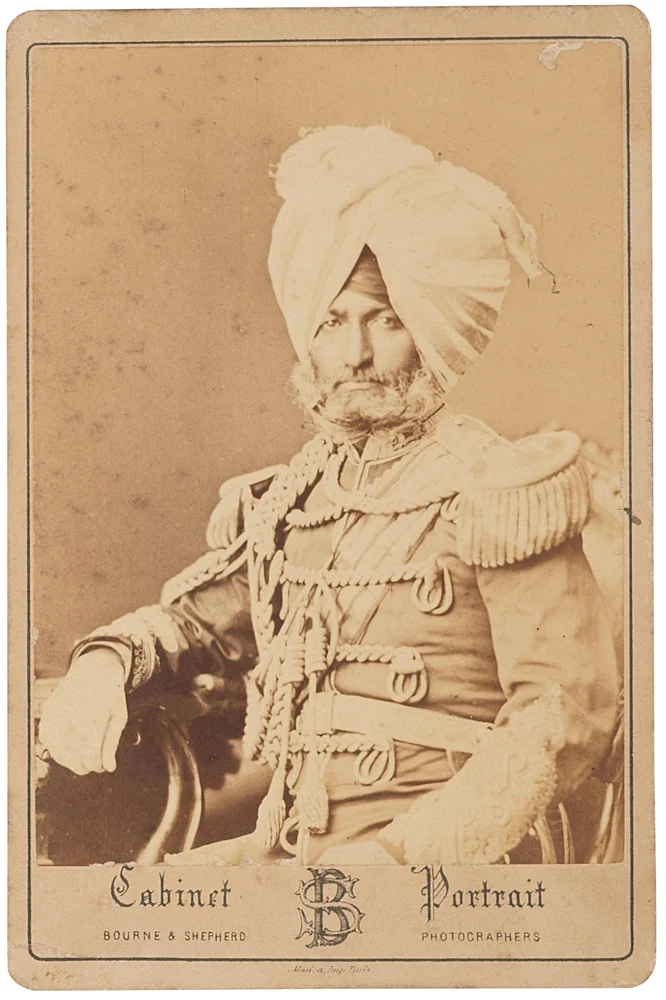
c. 1880 · Historical photograph
Commander of the Patiala state forces, photographed by Bourne & Shepherd.
Bourne & Shepherd · Source & image details ↗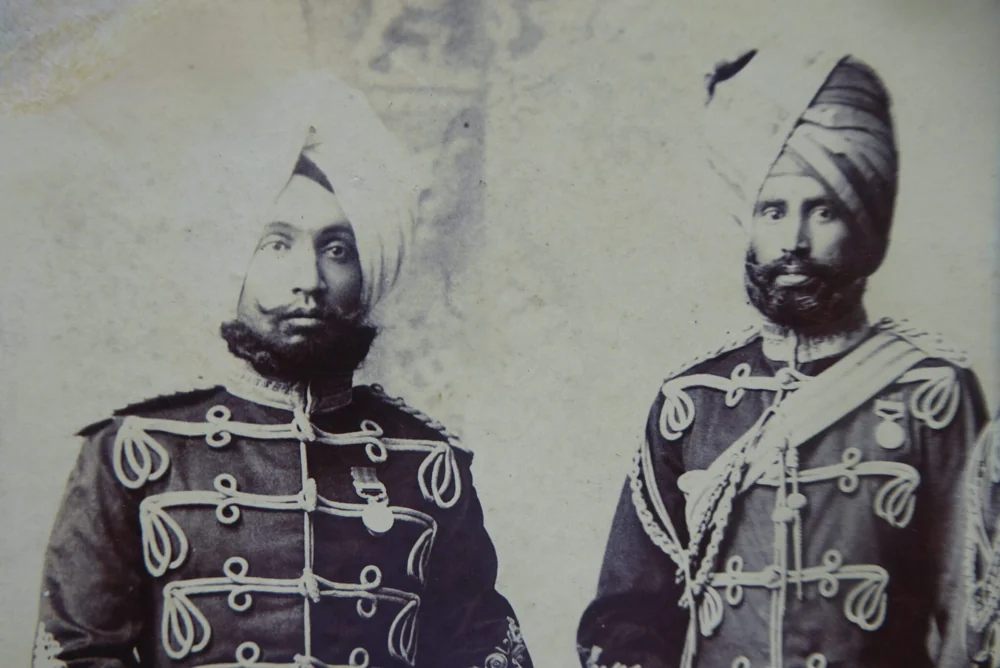
c. 1890–1900 · Historical photograph
Maharaja Rajinder Singh with Sardar Chanda Singh Dhillon and Sardar Sewa Singh.
Unknown photographer · Source & image details ↗Historical images via Wikimedia Commons, marked public domain at source. Approximate dates follow the image catalogues. The Lahore court image above is a painting, not a photograph.
Follow the records
Browse the book’s historical districts.
Faridkot Royal Family — Explore the Sangar lineage →
Historical names and boundaries follow the source editions. Families can add corrections, new generations and life today for review.
Explore the archive
Discover the context behind a family name.
Trace affiliations, leadership and connections to the era of Maharaja Ranjit Singh.
Explore misls & chiefs →Record the places of learning that shaped lives and connected generations.
Explore schools & institutions →Preserve memories of ancestral homes, journeys and life around the world.
Explore family stories →
A history worth preserving
A book can preserve a name. Only a family can share the voice, the photograph and the story behind it. Add one ancestor, one memory or one missing branch today. You do not need a complete tree to begin.
Contributions are reviewed before publication. Living family members remain private unless they have agreed to appear publicly.
Add our family’s next chapter →